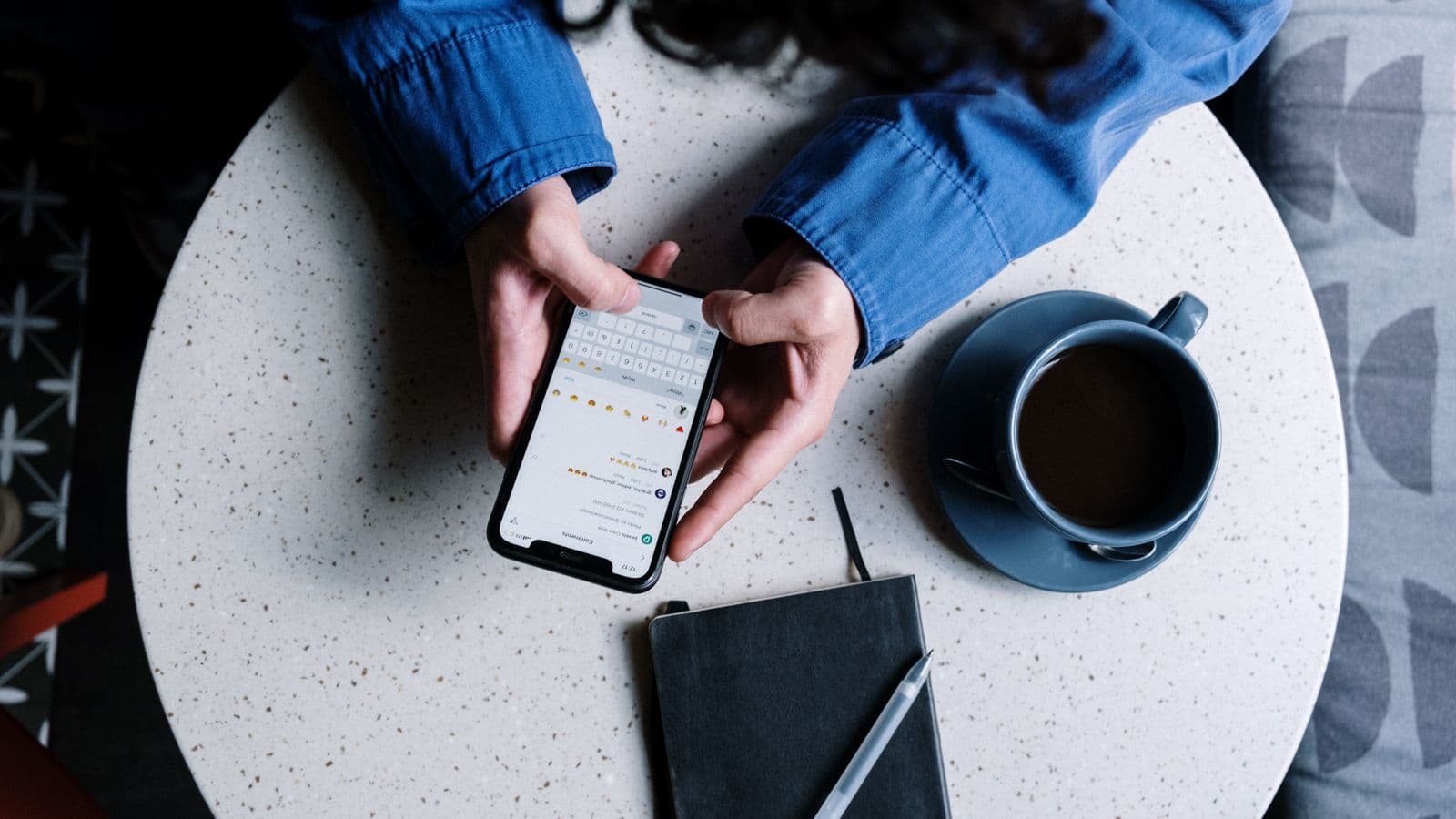
For decades, businesses have relied on email surveys and text-based feedback forms to understand customer satisfaction. They're cheap, easy to set up, and familiar.
But they're also increasingly ignored.
The average email survey response rate has dropped to around 5-10%. Customers are drowning in survey requests, and most end up unread. For home services businesses — where every customer interaction matters — that's a problem.
AI-powered phone calls are emerging as a compelling alternative. But are they actually better? Let's break it down.
Response rates: not even close
| Method | Avg. Response Rate | Context Captured |
|---|---|---|
| Email survey | 5-10% | Star rating + optional comment |
| SMS survey | 15-20% | Star rating + short text |
| AI phone call | 50-70% | Full conversation with sentiment |
The difference is dramatic. People answer their phones. They don't open another survey email from a business they hired once.
And it's not just about volume — it's about who responds. Email surveys tend to attract the extremes: people who are either thrilled or furious. AI phone calls reach the middle — the quietly satisfied, the mildly frustrated — which gives you a much more accurate picture of your actual service quality.
Quality of insights
An email survey typically gives you a number: 4 out of 5 stars. Maybe a one-line comment if you're lucky.
A phone call gives you a conversation. From that conversation, you can extract:
- Sentiment — not just positive or negative, but how positive or negative, and about what specifically
- Topics — was the feedback about pricing? Punctuality? Cleanliness? The technician's attitude?
- Key quotes — actual words from the customer that tell you exactly what happened
- Tone — the difference between "it was fine" (neutral) and "it was FINE" (sarcastic) is lost in text, but obvious in a call
This depth matters. "3 stars" doesn't tell you what to fix. "The technician was great but nobody told me the price would be $200 more than the estimate" tells you exactly what to fix.
Speed of detection
Email surveys are typically sent hours or days after a job. The customer responds (if they respond) hours or days after that. By the time you see a negative response, it could be a week after the original issue.
AI phone calls happen within minutes or hours of job completion. If a customer is unhappy, you know the same day. That's the difference between:
- Day 0: Customer is frustrated but hasn't done anything yet
- Day 1: Customer posts a 1-star review on Google
- Day 3: You finally see the survey response
Catching the problem at Day 0 means you can call, apologize, send someone back to fix the issue, and turn a bad experience into a loyalty moment. By Day 3, the review is already live and the customer has moved on. (Here's the full framework for intercepting negative reviews before they go public.)
Cost comparison
Let's be honest — AI phone calls cost more per interaction than email surveys. An email costs fractions of a cent. A phone call (AI voice minutes + telephony) costs somewhere in the range of $0.50-2.00 per call.
But cost per interaction is the wrong metric. The right metric is cost per actionable insight — and per useful response, AI calls are often cheaper because you're not paying for thousands of unopened emails.
More importantly: what's the cost of a 1-star review you could have prevented? For most home services businesses, a single bad review costs hundreds or thousands in lost leads. One intercepted complaint pays for months of AI calls.
Customer experience
This is where it gets interesting. You might expect customers to be annoyed by an unsolicited phone call. But when done well, the opposite happens — voice AI has gotten good enough that a short check-in feels genuinely helpful rather than robotic.
A well-designed AI call is:
- Short — under 2 minutes
- Personal — uses the customer's name and references the specific service
- Respectful — offers to call back if it's a bad time
- Genuinely helpful — if there's a problem, it acknowledges it and promises follow-up
Customers often appreciate that a business took the time to check in. It signals that you care about their experience, not just their money. That goodwill is something a survey link in an email can never generate.
When to use each method
AI phone calls aren't always the right choice. Here's a simple framework:
Use AI phone calls when:
- The service was high-value or in-person (home services, healthcare, auto repair)
- You need to catch negative experiences fast
- You want rich, actionable feedback
- You're trying to generate Google reviews from satisfied customers
Use email/SMS surveys when:
- The interaction was low-touch or transactional (e-commerce, SaaS)
- You need feedback at massive scale (10,000+ customers/month)
- Budget is extremely tight
- The customer relationship is primarily digital
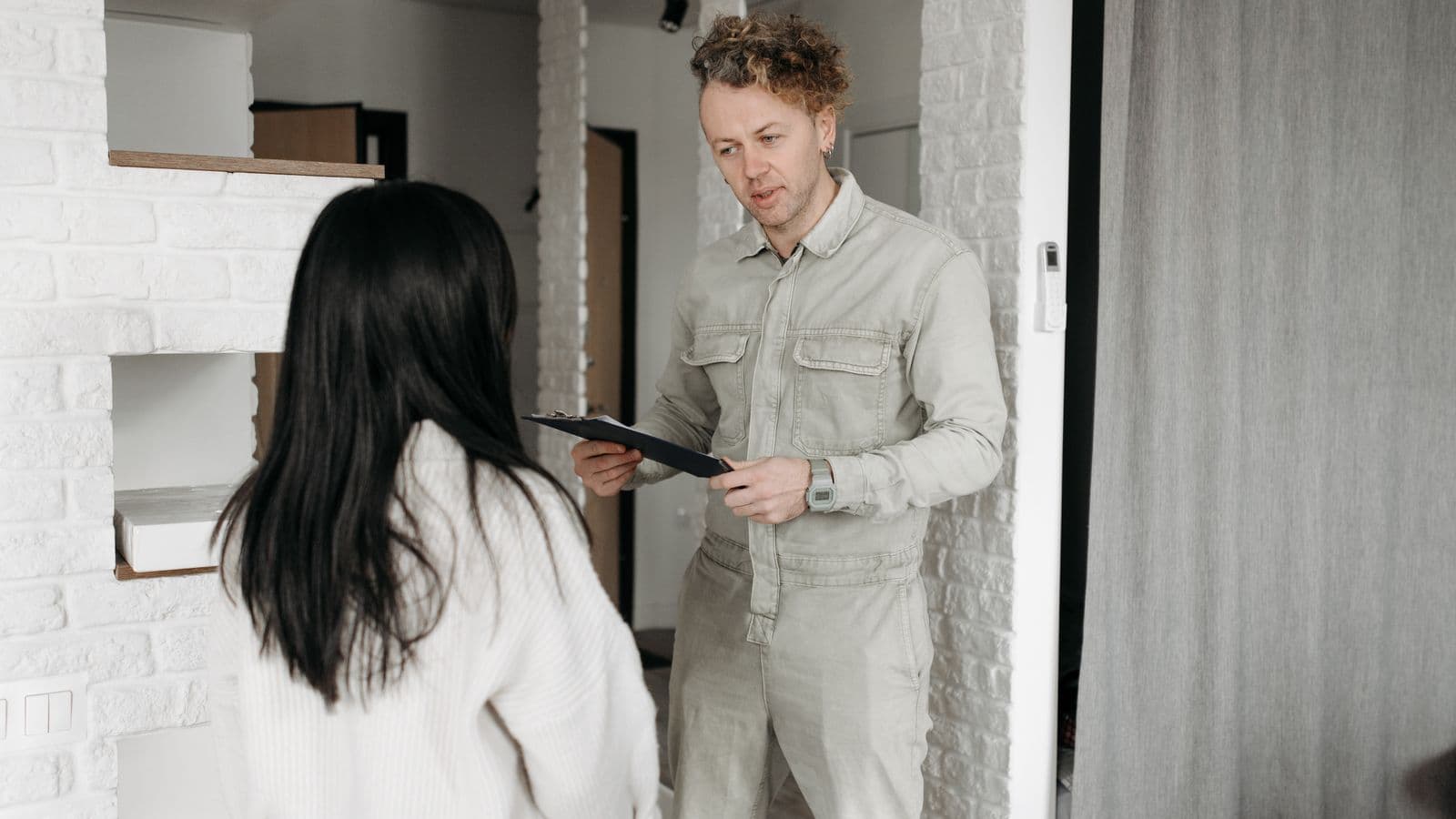
For home services businesses specifically, AI phone calls are the clear winner. Your customers had someone in their home — a phone call feels natural and appropriate. A survey email feels impersonal.
The bottom line
AI phone calls deliver higher response rates, richer insights, faster problem detection, and a better customer experience. They cost more per interaction, but the ROI from prevented bad reviews and increased Google reviews far outweighs the cost.
If you're still relying on email surveys to understand your customers, you're seeing a fraction of the picture — and missing problems you could have fixed.
Ready to try the difference? Get started with Comura and make your first AI follow-up call today.